
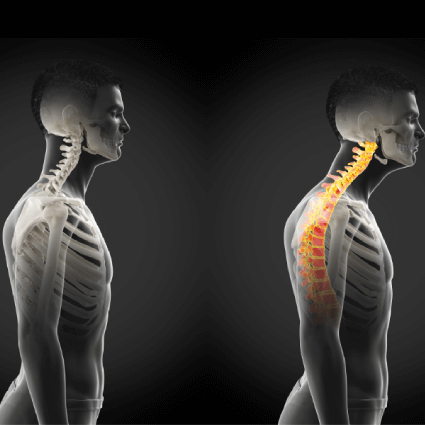
 Busy Springfield office workers, healthcare staff, and active parents often carry the same quiet burden: posture problems that build up as neck shoulder back tension, stiff shoulders, and that familiar tech neck from screens and long days. The challenge is that daily posture frustrations can feel normal until they start draining energy, shortening patience, and making simple tasks, driving, working, sleeping, even exercising, more uncomfortable. When the body stays in strained positions, low energy and achy muscles can become the baseline, especially during stressful weeks or after a minor sports injury. A few key shifts in how posture is understood can make Springfield posture issues feel less constant.
Understanding What Good Posture Really Means
Good posture is not standing up stiff. It is balanced spine alignment, where your body stacks smoothly with just enough muscle effort to hold you up.
When your spine is centered, your ribs and diaphragm have more room to move, so breathing often feels easier. Joints also take less daily wear because weight is shared instead of dumped into one sore spot. And when tension drops, pain management can feel more doable, plus you tend to carry yourself with more confidence.
Picture a laptop day where your head drifts forward and shoulders creep up, then your neck feels loaded by lunch. Bring your ears over your shoulders and gently lengthen your spine, and the strain spreads out instead of spiking. Over time, care that targets underlying causes of these issues can support longer-lasting relief.
Try These 8 Posture Upgrades You Can Start Today
Good posture is simply your spine stacked in a balanced way so your muscles do not have to fight gravity all day. Use the ideas below as a pick-and-choose menu, small changes add up fast.
1. Reset your desk in 2 minutes: Sit back so your hips are all the way in the chair, feet flat, and screen at eye level so you are not craning forward. Keep your forearms supported and aim for elbows bent so your shoulders can relax instead of creeping up toward your ears. If your chair is high, use a small footrest even a sturdy box to keep your knees and hips comfortable.
2. Do micro-stretches every hour: Set a simple rule: 30 to 60 seconds of movement each hour you sit. Try neck rolls and slow shoulder shrugs, then stand and open your chest by clasping hands behind your back and gently lifting. These quick resets bring you back to that balanced alignment you learned about, without needing a full workout.
3. Use breathing to un-hunch: Once or twice a day, do 5 slow belly breaths: inhale through your nose for 4 seconds, exhale for 6. On each exhale, feel your ribs drop and your shoulders soften down and back. Better breathing mechanics often follow better rib and spine position, and the calmer rhythm helps you notice when you are bracing or slumping.
4. Strengthen your spine support basics no gym required: Two or three times per week, do 2 rounds of 8 to 12 reps each: wall angels upper back, glute bridges hips, and dead bugs core control. Focus on slow, smooth motion and keeping your ribs stacked over your pelvis, quality beats intensity. This is the long-game upgrade that helps posture feel natural, not forced.
5. Build a tech-neck barrier: Hold your phone closer to eye level, and bring the screen to you rather than your head to the screen. Use a chin tuck cue: glide your chin straight back make a double chin for 3 seconds, 5 reps, a few times per day. If you read or scroll in bed, prop your arms on a pillow so your neck is not doing all the work.
6. Set up sleep posture so your spine can recover: Side sleepers: use a pillow that fills the space between ear and shoulder, and tuck a pillow between knees to reduce twisting. Back sleepers: a small pillow under knees can take pressure off the low back. Stomach sleeping tends to crank the neck; if it is your habit, try hugging a pillow and turning to your side instead.
7. Choose flat, supportive shoes for your everyday miles: Look for a stable sole, a snug heel, and enough toe room so you are not gripping with your feet. If you switch from very cushy or very heeled shoes, transition gradually, start with 1 to 2 hours a day. Better foot support can make standing posture feel easier all the way up the chain.
8. Do a quick alignment check in real life: When you are waiting in line or washing dishes, stack: ears over shoulders, ribs over hips, weight evenly through both feet. Keep it gentle, think tall and relaxed, not military stiff. These tiny check-ins train your body to find balanced posture automatically, even on busy days around Springfield.
Habits That Make Posture Relief Stick
These habits turn quick posture wins into reliable relief for Springfield-area people using accessible chiropractic and massage therapy for pain relief and healing. Think cues plus consistency: small actions, tied to everyday moments, so you can follow Simple Steps to Fix Posture Pain and Feel Better Fast without overthinking it.
Doorway Decompress
- What it is: Do 30 seconds of a gentle chest-opening stretch in a doorway.
- How often: Daily, after work or school.
- Why it helps: It counters forward-shoulder tension that builds during sitting and driving.
Timer-Tied Movement Break
- What it is: Set a timer for 55 minutes, then stand and move for one minute.
- How often: Weekdays.
- Why it helps: Frequent position changes reduce stiffness and keep joints from guarding.
Quality-First Strength Set
- What it is: Do one slow set of bridges, wall slides, and dead bugs.
- How often: Three times weekly.
- Why it helps: A focus on movement quality supports long-term consistency.
Evening Jaw and Shoulder Unclench
- What it is: Relax your jaw, drop shoulders, and take five slow nasal breaths.
- How often: Nightly, before bed.
- Why it helps: It calms bracing patterns that can amplify neck and upper-back soreness.
Next-Session Notes
- What it is: Write down two triggers that flared pain and one thing that helped.
- How often: Weekly.
- Why it helps: It makes chiropractic and massage visits more targeted and effective.
Common Posture Pain Questions, Answered
What are some simple exercises I can do daily to help improve my posture?
How can changing my sleeping position and mattress support better spinal alignment?
What habits should I avoid to prevent developing tech neck and other posture-related issues?
How can breathing and stretching techniques reduce tension and improve posture throughout the day?
How can chiropractic care and massage therapy in the Springfield area assist with correcting posture-related pain and muscle tension?
Posture pain often lingers because daily stress, screens, and routines pull the body into the same strained positions again and again. The way forward is simple: commit to posture strategies that are small enough to repeat, and let consistency benefits do the heavy lifting for long term posture health. With steady practice, tight areas calm down, support muscles wake up, and everyday movements start to feel easier and more confident. Choose small posture changes you can repeat daily, and pain often fades as alignment improves. Pick 1 to 2 changes this week and stick with them, and if pain or limits persist, schedule professional posture support in Springfield to get a clear plan. That follow through builds the stability and resilience that keep the body comfortable for the long haul.
Try a daily 3 pack: chin tucks at the wall, doorway chest stretches, and glute bridges. Do 1 set of 8 to 12 slow reps, stopping before sharp pain or tingling. Most people notice easier standing and sitting within 1 to 2 weeks when they stay consistent.
Aim for a neutral spine: side sleep with a pillow between the knees, or back sleep with a pillow under the knees. Use a pillow height that keeps your neck level, not tilted up or down. If you wake up stiff, adjust one variable at a time for 3 to 5 nights before deciding what helps.
Avoid looking down at a phone in your lap, cradling the phone on your shoulder, and working with your screen off to one side. Raise screens to eye level, bring text closer to your face, and take short posture resets every hour. If headaches or arm numbness show up, it is a good time to get checked.
Slow nasal breathing relaxes overactive neck and shoulder muscles so your ribs and mid back can move again. Pair 4 to 6 deep breaths with a 20 second pec stretch or gentle upper back rotation to downshift tension. Mild soreness is normal, but pain that spikes or travels needs a different approach.
Chiropractic care can help restore joint motion that keeps you stuck in a guarded position, while massage can calm tight tissues that pull you out of alignment. Together, they can make your home routine feel easier and reduce flare ups as you rebuild strength. If your clinic sends your home program as a multi page handout, it can help to delete pages from a PDF so the version you keep on your phone only includes the few exercises you will actually repeat.Build Consistent Posture Habits for Less Pain and Better Alignment
CONTACT US